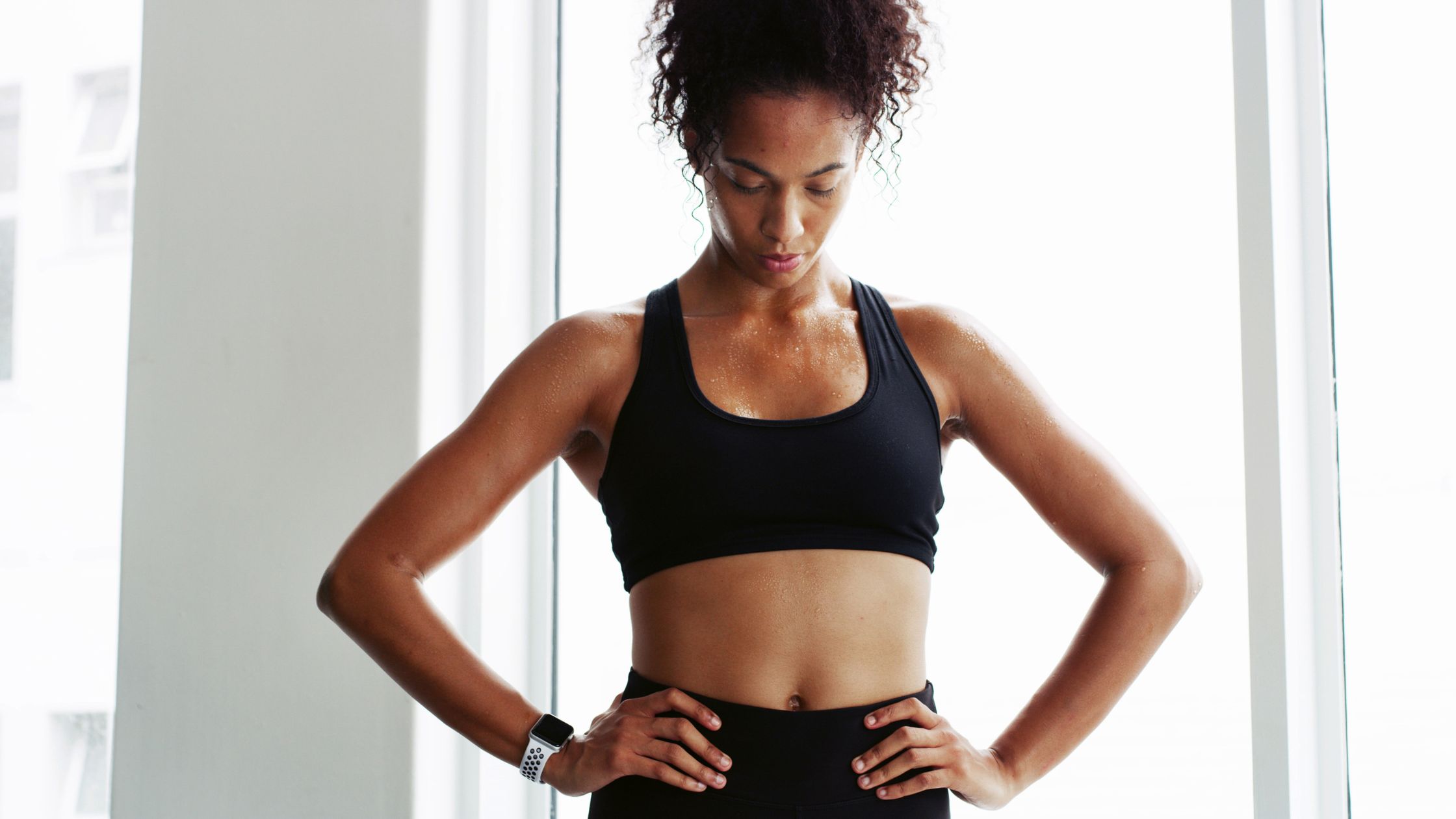
Yes, you can lose belly fat without the gym. Daily walking, light strength work at home, lower stress and better sleep all help, and none of them need a gym membership.
Belly fat is the fat stored around your waist and stomach, and it responds to your daily habits as much as to your workouts.
Can You Really Lose Belly Fat Without the Gym?
Most women don’t have time to live in the gym.
But yes, you can lose belly fat without the gym no matter what the internet tries to scare you with.
Even if you did have the time, you can work out five days a week and still feel like your belly is… minding its own business.
Belly fat responds to consistency, keeping your body moving, stress and habits, the things that happen OUTSIDE the gym.
Let me break down what actually works for busy women who want results without living on a stairmaster.

1. Which Daily Habits Burn Belly Fat Without a Gym Membership?
The daily habits that help most are walking, standing up more often and moving after meals.
Walking is a cheat code.
Walking is literally:
- low stress
- low effort
- high impact
Walking for 45–60 minutes a day burns more calories, reduces stress hormones, and trims the waist faster than most intense workouts.
Aim for rotating targets:
- 5k steps
- 7k
- 9k
- 10k+ when you’ve got the energy
SweatScore mixes up step goals to keep your body responding.
Research backs the step count too. A 2025 review in The Lancet Public Health pooled 57 studies and found that around 7,000 steps a day is linked to a lower risk of heart disease, type 2 diabetes and early death. Source: University of Southern Queensland on the step count study.
2. What Is Zone 2 Movement?
Zone 2 is steady, easy-paced movement, like a brisk walk, where you can still hold a conversation.
You know those steady-paced walks where you’re moving, but not dying? That’s Zone 2.
Zone 2 is basically your fat-burning sweet spot.
Signs you’re in Zone 2:
- You can hold a convo
- You’re warm, not dripping
- You can breathe easily
- You feel good afterwards
Do Zone 2 movement consistently and your stomach WILL shift.
3. Reduce the “all-day sitting” cycle
You can do one workout… but if you sit for 8–10 hours after, your metabolism taps out.
Tiny fixes that make a big difference:
- Stand up for 2 minutes every hour
- Walk around during phone calls
- Do a 5-minute stretch break mid-afternoon
- Quick lap around the house after meals
You’ll feel the difference from these small movement fixes within days.

4. Does Light Strength Work Help You Lose Belly Fat?
Yes. Light strength work at home builds muscle, and muscle uses more energy than fat, even when you are resting.
You don’t need a gym. You just need activation.
At-home strength routines build muscle and muscle burns fat even when you’re resting.
Focus on:
- squats
- glute bridges
- planks
- lunges
- light dumbbells if you have them
Do these strength moves 2–3 times a week and your waistline will thank you.
The NHS recommends strength exercises on at least 2 days a week, covering your legs, hips, back, abdomen, chest, shoulders and arms, plus at least 150 minutes of moderate activity a week. Source: NHS physical activity guidelines for adults aged 19 to 64.
5. Stop eating on “stress mode”
If your nerves are cooked, your cortisol is too high and that makes belly fat cling for dear life.
Small fixes that actually help:
- Don’t eat in a rush
- Don’t multitask with food
- Do one slow, intentional meal a day
- Walk after eating (10 minutes is enough)
Eating slowly is grown-woman regulation.
6. High-sweat workouts aren’t necessary
HIIT isn’t the magic. Pilates isn’t the magic. Running isn’t the magic.
The magic is consistency. Doing movement you can maintain through periods, kids, stress, work, and life.
Walking, steps, light strength and daily movement give better long-term results than burning yourself out.
7. Your gut health matters more than your crunches
Bloating can disguise progress.
Simple tweaks:
- Enough water
- A daily walk (yes, again)
- Regular meals
- Foods that don’t make you feel heavy
- Fibre from real food
- Less late-night heavy eating
Your stomach can shrink JUST from fixing bloat.

8. Does Sleep Affect Belly Fat?
Yes. When you are tired, it is harder to move, harder to make good food choices and harder to lose weight.
If you’re tired, your body holds fat.
Women underestimate how much belly fat is actually exhaustion fat.
Aim for:
- 6–8 hours
- No screens 30 minutes before bed
- A wind-down ritual that isn’t your phone
- Consistent sleeping/waking times
Good sleep will change your whole body composition.
9. Track your effort, not your weight
The scale will betray you. Your consistency won’t.
Track:
- steps
- active minutes
- weekly movement days
- walks you completed
- strength sessions
- hydration
- how your clothes fit
Your stomach will change before the scale does.
10. Build a routine you can keep up even on your worst days
Belly fat responds to long-term effort.
If you can keep your routine going during stressful weeks, you’ll see results faster.
SweatScore works so well for belly fat for these reasons:
- daily step goals
- rotating targets
- low-sweat days
- effort-based tracking
- a community that keeps you accountable
- movement that fits your hair, mood, and schedule
With SweatScore, consistency becomes easier because you’re not forcing a gym life you don’t have.
What Actually Works for Losing Belly Fat at Home
You don’t need extreme workouts. You don’t need to starve yourself.
You need:
- daily steps
- light strength
- lower stress
- better sleep
- smarter routines
- small daily actions
Get these right, and your waistline WILL change.
And if you want support, structure and a daily plan that actually fits your life? SweatScore has you covered.
Download the SweatScore app on iOS or Android.